Sativa is generally called an “upper” because people associate it with energy, focus and uplifted mood, while indica is called a “downer” linked to relaxation and sleep. But here’s the awkward bit: scientists increasingly say that tidy split is more folk wisdom than fact.
In this guide we’ll unpack where the upper/downer idea came from, what it gets right, where it breaks down, and how to actually predict how a strain will affect you — based on published research, not dispensary lore.
Where does the “sativa is an upper” idea come from?
The upper/downer shorthand dates back decades, and it originally described the plants, not the people smoking them. Cannabis sativa grows tall and thin with narrow leaves and historically grew in equatorial regions, while Cannabis indica is short, bushy and broad-leafed, associated with regions like the Hindu Kush mountains.
Over time, growers and budtenders noticed patterns: tall tropical plants seemed to produce more cerebral, energetic highs, while the compact mountain varieties seemed to produce heavier, sleepier effects. Those observations hardened into a rule of thumb: sativa = head high (upper), indica = body high (downer). Dispensaries printed it on menus, strain guides repeated it, and the distinction became cannabis culture’s most repeated piece of wisdom.
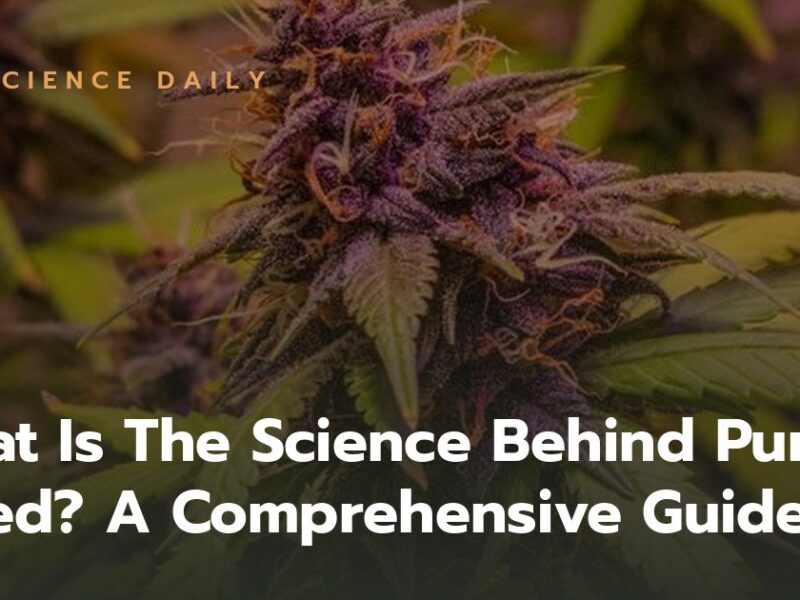
The problem? Much of it was anecdotal. And decades of cross-breeding mean that a “pure” sativa or indica is now almost impossible to find — nearly every strain on the market is a hybrid, which makes the botanical labels even less useful as effect predictions. As cannabinoid researcher Ethan Russo has argued, the sedating effects people blame on (or credit to) indica are more plausibly tied to specific terpenes like myrcene rather than to the plant’s species label at all.
So, is sativa actually an upper?
In practice, most users do report that strains sold as sativa feel more stimulating: clearer-headed, more talkative, more inclined to get off the sofa. Strains like Sour Diesel and Durban Poison have legendary reputations for daytime use. So the folk rule isn’t pure fiction — there’s a real tendency behind it.
But here’s the catch: that tendency isn’t guaranteed. A sativa-dominant strain high in the terpene myrcene — the same terpene associated with sedating “couch-lock” effects — can leave you feeling just as heavy as any indica. Conversely, an indica-leaning strain rich in limonene can feel bright and mood-lifting. Studies on terpenes suggest these aromatic compounds modulate how THC feels — the so-called “entourage effect” — with limonene linked to elevated mood and myrcene and linalool linked to sedation (Russo, 2011).
Dose matters too. Overdoing THC can flip any stimulating strain into an anxious, heavy-feeling experience, and the crash after a strong sativa high can leave you more tired than an indica ever did. So “sativa is an upper” works as a rough starting guess — not a guarantee.
What makes a strain feel like an upper or a downer?
If the species label is unreliable, what should you look at instead? Research points to three chemical factors that matter far more than the sativa/indica tag:
- THC content. Higher THC generally means a stronger psychoactive experience — which can feel energising at moderate doses but racy or anxious at high ones. CBD-rich strains tend to feel calmer and less intense.
- Terpene profile. This is the big one researchers keep coming back to. Limonene (citrus scent) is associated with mood elevation and alertness; pinene with focus; myrcene (earthy, musky) with sedation and muscle relaxation; linalool (floral) with calming effects. Two strains with identical THC can feel totally different because of their terpenes (Russo, 2011).
- Your own biology. Tolerance, body chemistry, metabolism, mood and even time of day shape your response. The same strain can feel uplifting to one person and sleepy to another.
The takeaway from scientists like Russo is blunt: if you want to predict effects, read the chemical analysis, not the species name. A lab report showing cannabinoid and terpene percentages tells you more than a sativa/indica label ever will.
Sativa vs indica vs hybrid: effects compared
With the caveat that these are generalisations (not guarantees), here’s how the three categories are traditionally described — and what to actually check on a label:
| Sativa | Indica | Hybrid | |
|---|---|---|---|
| Folk reputation | Upper — energising, uplifting | Downer — relaxing, sedating | Balanced — somewhere between |
| Typical reported effects | Focus, creativity, talkativeness, “head high” | Body relaxation, calm, sleepiness, “body high” | Mix of both, varies widely |
| Common terpenes | Limonene, pinene | Myrcene, linalool | Any combination |
| Often used for | Daytime, socialising, creative work | Evenings, winding down, rest | Flexible, depends on the strain |
| What actually predicts the effect | THC/CBD ratio + dominant terpenes — not the sativa/indica name | ||
Does sativa keep you awake?
This is one of the most-searched follow-up questions, and the honest answer is: it depends on the strain — but sativa-leaning strains are the more likely culprits if cannabis is wrecking your sleep.
THC itself can interfere with sleep architecture, and stimulating terpene profiles can compound the effect. If you’re sensitive, using a high-THC sativa in the evening can leave you wired at bedtime. On the flip side, some people find a mild sativa helps them stop racing thoughts — again, individual biology and dose are doing a lot of the work.
Practical advice from the research consensus: if sleep is your goal, look for strains dominant in myrcene and consider lower THC doses or CBD-forward options. And if you’re vaping rather than smoking, note that the delivery method changes the experience too — our guide on vaping vs smoking effects breaks down how that choice shapes onset and intensity.
Can sativa make you tired?
Yes — and this is where the upper/downer myth really falls apart for some users. There are several well-understood reasons a “stimulating” sativa can leave you drowsy:
- The terpene profile. A sativa high in myrcene can be genuinely sedating, regardless of what the label promises.
- The dose. Moderate THC can feel uplifting; heavy doses of the same strain often feel heavy, foggy and sleepy — the symptoms of overconsumption read like a downer checklist.
- The crash. The stimulating phase of a sativa high typically peaks and fades within a couple of hours; the comedown can feel like tiredness, especially late in the day.
- Anxiety rebound. For some people, high-THC sativas trigger racing thoughts or paranoia and anxiety — and the mental exhaustion afterwards feels a lot like being sedated.
None of this means sativa “doesn’t work” — it means the upper/downer framework was never precise enough to capture how cannabis actually affects the body.
The bottom line: read the chemistry, not the label
So, is sativa an upper or a downer? The folk answer — sativa is the upper, indica is the downer — is a decent rough guide to what most people report. But the scientific answer is more useful: effects come from the chemistry, especially THC levels and the terpene profile, modulated by your own tolerance and biology.
Next time you’re choosing a strain, try ignoring the sativa/indica tag entirely. Look at the lab results: limonene and pinene up top suggest energy and focus; myrcene and linalool suggest relaxation and rest. That’s the closest thing cannabis has to an honest upper/downer label — and unlike the old folk rule, it’s backed by actual pharmacology.
Frequently asked questions
Does sativa keep you awake?
It can. Sativa-leaning strains with stimulating terpene profiles (like limonene) and high THC are the most likely to interfere with sleep, especially when used in the evening. But a sativa high in myrcene, or used in a small dose, may not disrupt sleep at all — the chemical profile matters more than the sativa label.
Can sativa make you tired?
Yes. High myrcene content, heavy doses, the post-peak comedown, or an anxiety rebound from too much THC can all leave you feeling drowsy after a sativa. “Sativa = energy” is a tendency, not a rule.
Is indica a downer?
Traditionally, yes — indica is associated with relaxing, sedating, “body high” effects, and it’s the evening choice for most users. The same caveats apply though: an indica rich in stimulating terpenes can feel surprisingly bright, and heavy THC doses of any strain can feel sedating.
Which is better for daytime: sativa or indica?
Most people reach for sativa-leaning strains during the day because they’re more often associated with focus and energy. But the smarter approach is to pick by chemistry: moderate THC plus limonene or pinene for daytime, regardless of what the label says.
Is the sativa vs indica distinction a myth?
Largely, yes — at least as a predictor of effects. Researchers including Ethan Russo argue that what people attribute to “sativa” or “indica” is really the work of cannabinoids and terpenes. With most modern strains being hybrids anyway, the botanical labels have lost most of their meaning as effect guides (Piomelli & Russo, 2016).
Sources
- Russo, E. B. (2011). Taming THC: potential cannabis synergy and phytocannabinoid-terpenoid entourage effects. British Journal of Pharmacology, 163(7), 1344–1364. https://pmc.ncbi.nlm.nih.gov/articles/PMC3165946/
- Piomelli, D. & Russo, E. B. (2016). The Cannabis sativa versus Cannabis indica debate: An interview with Ethan Russo, MD. Cannabis and Cannabinoid Research, 1(1), 44–46. https://pmc.ncbi.nlm.nih.gov/articles/PMC5576603/
Published: 24 October 2026 · Last updated: 24 October 2026 · Author: 420 Science Daily