The cannabis culture is rich and diverse, with a particular fascination towards purple weed strains. Renowned not only for their visually appealing hues but also for their unique flavor profiles and effects, purple cannabis strains have intrigued both connoisseurs and curious minds. But what exactly causes some cannabis plants to take on these vibrant purple shades? In this guide, we’ll explore the science behind purple weed, breaking down the factors that contribute to its coloration in simple terms.
Understanding Anthocyanins: The Key Science Behind Purple Weed
At the heart of purple weed’s captivating color lies a group of flavonoid pigments known as anthocyanins. Found in a variety of plants, including berries, red cabbage, and grapes, anthocyanins are responsible for the red, purple, and blue hues evident in many fruits and vegetables. In cannabis, these pigments are influenced by the plant’s genetics, environmental conditions, and the plant’s lifecycle.
The Role of Genetics in Coloration

Genetics play a crucial role in determining whether a cannabis plant has the potential to develop purple hues. Some strains are specifically bred to enhance the presence of anthocyanins, leading to naturally vibrant purple colors as the plant matures. Strains such as Granddaddy Purple, Purple Urkle, and Blackberry Kush are renowned for their deep purple aesthetics, thanks to their genetic makeup.
Environmental Factors Influencing Purple Pigmentation
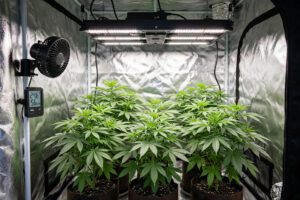
While genetics lay the foundation, environmental conditions significantly impact the expression of purple colors in cannabis plants. Temperature is a critical factor; cooler temperatures during the flowering phase can encourage the production of anthocyanins, leading to more pronounced purple shades. This is because cooler temperatures inhibit the production of chlorophyll (the green pigment), allowing the purple pigments to become more visible.
The Lifecycle Connection
The lifecycle of a cannabis plant also plays a part in the development of purple hues. As the plant transitions from the vegetative stage to the flowering stage, changes in light exposure and temperature can trigger the production of anthocyanins. This natural process is a response to the plant’s environment and an adaptation to protect itself from various stressors, including UV light and temperature fluctuations.
Beyond Aesthetics: Do Purple Strains Differ in Effects?
A common question among enthusiasts is whether purple weed strains offer different effects compared to their green counterparts. While the color itself doesn’t influence the potency or effects of the cannabis, the strain’s specific cannabinoid and terpene profiles do. Therefore, the unique experience associated with purple strains is more about their genetic lineage and cultivation practices rather than their color.
Frequently Asked Questions (FAQs)
Is Purple Urkle Indica or Sativa?
Purple Urkle is an indica strain known for its relaxing effects and vibrant purple buds, ideal for evening use and relieving pain, stress, anxiety, and insomnia.
Why is purple weed considered the best?
While “the best” is subjective, many enthusiasts argue that purple weed stands out due to its unique aesthetics, complex flavor profiles, and often potent effects. These traits, combined with the intrigue surrounding its cultivation, make purple strains particularly appealing to connoisseurs seeking a distinctive cannabis experience.
What’s the difference between purple and regular weed?
The primary difference between purple and regular (green) weed strains lies in their coloration, which is influenced by the presence of anthocyanins in purple weed. Beyond aesthetics, the difference can also extend to variations in taste and aroma due to the strain’s unique terpene profiles. However, the color does not directly impact potency.
Why is purple haze weed purple?
Purple Haze weed gets its iconic purple color from anthocyanins, which are pigments that can turn parts of the plant purple under the right environmental conditions, particularly cooler temperatures during the flowering stage. Its striking appearance is complemented by its famous potency and psychedelic effects.
Is purple weed a sign of deficiency?
No, purple weed is not typically a sign of deficiency. The vibrant purple hues are usually the result of genetics and specific environmental factors that encourage the production of anthocyanin pigments. However, discoloration not attributed to genetics could indicate issues, but these are generally not the beautiful purples seen in healthy strains.
Does purple weed make you high?
Purple weed can indeed make you high, just like any other cannabis strain, depending on its THC content. The color of the weed does not have a direct correlation with its potency; rather, the effects are determined by the strain’s specific cannabinoid and terpene profiles.
Is purple weed healthier?
There’s no scientific evidence to suggest that purple weed is healthier than green weed. The health effects of any cannabis product depend on its cannabinoid and terpene composition, how it’s consumed, and individual responses. Purple strains may offer a rich anthocyanin content, similar to what’s found in other purple plants like berries, but the impact of these compounds on health via cannabis consumption is not well-documented.
Final Hits
The science behind purple weed is a fascinating blend of genetics, environmental factors, and plant physiology. Anthocyanins play the starring role in giving purple cannabis its mesmerizing hues, with temperature and the plant’s lifecycle contributing to the expression of these colors. While the purple coloration doesn’t directly affect the strain’s effects, it adds a visual appeal and highlights the diversity within the world of cannabis.
Whether you’re drawn to purple weed for its aesthetic beauty or curious about the science that makes it possible, one thing is clear: the allure of purple cannabis is a perfect example of nature’s artistry in the cannabis plant kingdom.