Last updated: October 2026
If you are venturing into the world of cannabis, you may have come across the term “THCa flower.” This lesser-known cannabinoid is gaining popularity for its unique benefits and properties.
However, there is still some basic information that individuals don’t know about THCa flowers. That’s why we will explore what a THCa flower is, how it is made, the difference between THCa hemp flowers and other cannabis flowers, and tips on finding the best THCa flower for your needs.
What is THCa Flower?

THCa (tetrahydrocannabinolic acid) is considered a non-psychoactive compound found in raw and live cannabis. Unlike THC (tetrahydrocannabinol), which is renowned for its psychoactive effects, THCa does not cause a high. This is because THCa must undergo a process called decarboxylation—typically triggered by heat—to convert into THC.
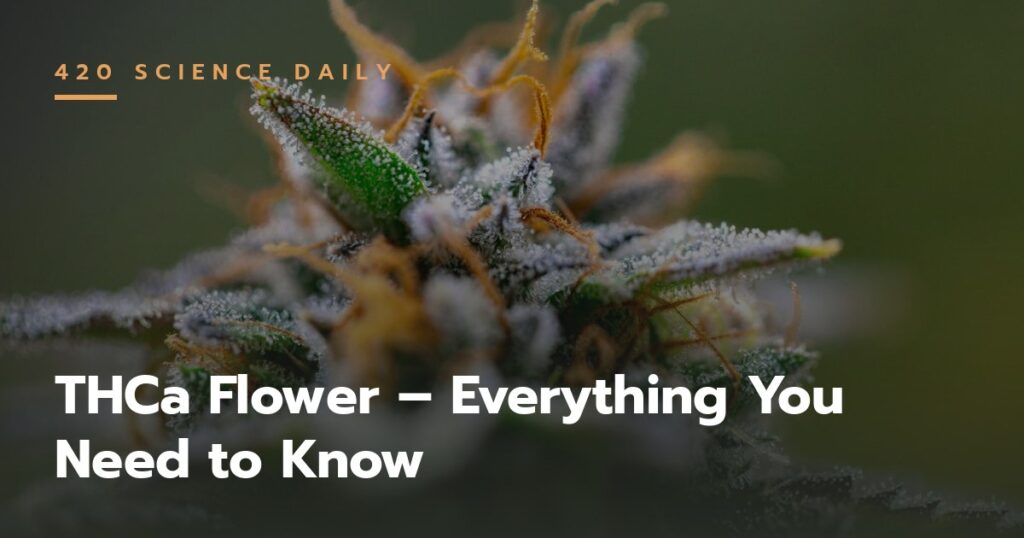
A THCa flower refers to the cannabis bud in its raw form, primarily containing THCa rather than THC. This makes it a captivating option for individuals seeking the medicinal benefits of cannabis without the psychoactive effects.
How is THCa Flower Made?
The process of cultivating THCa flower begins with growing cannabis plants, specifically those bred to have high THCa content.
Here’s a breakdown of how THCa flower is produced:
- Cultivation: High-quality cannabis strains are selected and grown under optimal conditions to maximize their cannabinoid profiles. The plants are monitored closely to ensure they produce a high concentration of THCa.
- Harvesting: Once the plants reach maturity, they are carefully harvested. The harvest timing is crucial to ensure the THCa content is at its peak.
- Drying and Curing: After harvesting, the flowers are dried and cured at low temperatures to preserve the THCa content.
- Storage: To prevent decarboxylation (conversion of THCa to THC), THCa flowers must be stored in cool, dark conditions. Exposure to heat and light can trigger decarboxylation, reducing the THCa content.
THCa Hemp Flower vs. Cannabis Flower
The term “THCa hemp flower” describes THCa-rich flowers derived from hemp. Hemp and cannabis are both varieties of the Cannabis sativa plant, but they vary in their cannabinoid profiles.
Hemp is legally defined as cannabis with less than 0.3% THC by dry weight, making it non-psychoactive.
THCa Hemp Flower: This type of flower originated from hemp plants and contains high levels of THCa with negligible THC content. It is legal in many regions due to its low THC levels and is used for its therapeutic properties.
Cannabis Flower: Cannabis flowers, or marijuana, typically contain higher levels of THC, making them psychoactive. They can also contain significant amounts of THCa before decarboxylation.
Benefits of THCa Flower
The interest in THCa flower stems from its potential health benefits without the psychoactive effects of THC.
Some of the major benefits of this plant include:
- Anti-inflammatory Properties: THCa has shown promise in reducing inflammation, making it beneficial for conditions like arthritis.
- Neuroprotective Effects: Research suggests that THCa may help protect nerve cells, potentially offering benefits for neurodegenerative diseases.
- Anti-emetic Properties: THCa may help reduce nausea and vomiting, which can be beneficial for patients undergoing chemotherapy.
How to Use THCa Flower
There are various ways to incorporate THCa flower into your routine:
- Raw Consumption: Adding THCa flower to salads, smoothies, or juices allows you to consume it without heating, thus preserving the THCa content.
- Topicals: THCa can be infused into balms and creams for localized relief.
- Tinctures and Capsules: These provide a convenient way to dose THCa without smoking or vaping.
What to Look for in a Best THCa Flower?
Finding the best THCa flower involves considering several factors:
- Strain Selection: Look for strains known for their high THCa content. Some popular strains include Raw Diesel, Pink Boost Goddess, and Tangie.
- Source and Cultivation Practices: Choose flowers from reputable growers who use organic and sustainable cultivation practices. This ensures that you get a product free from pesticides and harmful chemicals.
- Lab Testing: Ensure the THCa flower has been tested by a third-party lab for potency and purity. Lab reports should confirm the THCa content and check for contaminants.
- Storage and Packaging: Proper storage is crucial to maintaining THCa levels. Look for flowers packaged in airtight containers that protect against light and heat.
Frequently Asked Questions
What is the difference between THCa and THC?
THCa (tetrahydrocannabinolic acid) is the non-psychoactive precursor to THC (tetrahydrocannabinol). In its raw form, THCa does not produce a high. However, when it is heated through processes like smoking, vaping, or cooking, THCa undergoes decarboxylation, converting into THC, which is psychoactive.
How can I consume THCa flower without converting it to THC?
To consume THCa flower without converting it to THC, it is crucial to avoid exposing it to high temperatures. One popular method is to add raw THCa flower to smoothies, juices, or salads.
What are the potential health benefits of THCa?
THCa has shown potential in several therapeutic areas, making it an attractive option for medical use. It can be used as an Anti-inflammatory, Neuroprotective, Antiemetic and Antispasmodic.
Is THCa flower legal?
The legality of THCa flower depends on its THC content and local regulations. In many regions, hemp-derived THCa flowers with less than 0.3% THC are legal, as they fall within the legal definition of hemp.
How should I store THCa flower to maintain its potency?
Proper storage of THCa flower is crucial to maintaining its potency and preventing the conversion of THCa to THC. The flowers should be stored in a cool environment, away from heat sources, to avoid decarboxylation.