Table of Contents
THC, or Tetrahydrocannabinol, stands as the most renowned cannabinoid found in the cannabis plant. Its fame and infamy lie in its potent psychoactive effects, which can enliven the senses and elevate mood, distinguishing it sharply from its non-psychoactive counterpart, CBD. This comprehensive guide dives deep into what THC is, its therapeutic benefits, its risks, and its legal status across various regions.
What is Tetrahydrocannabinol (THC)?
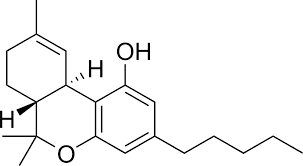
Tetrahydrocannabinol (THC) is the chemical responsible for most of marijuana’s psychological effects. It operates by binding to cannabinoid receptors in the brain and activating them, influencing pleasure, memory, thought, concentration, coordination, and sensory and time perception. THC’s ability to produce euphoria and a heightened state of being is what makes cannabis the sought-after plant it is today.
THC vs CBD: Understanding the Difference
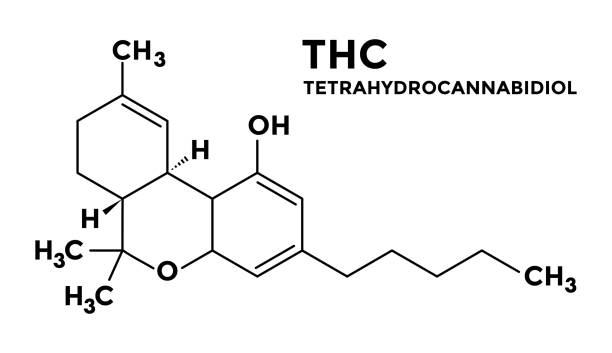
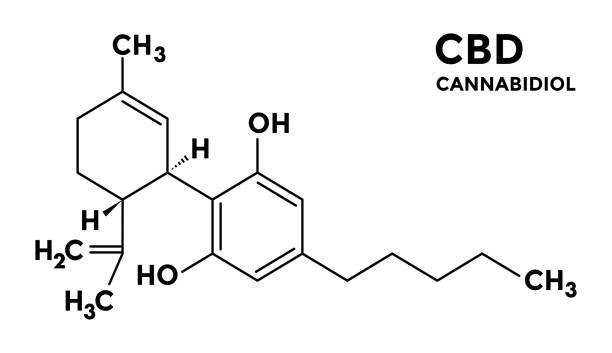
While THC and CBD are both cannabinoids derived from the cannabis plant, their effects on the human body diverge significantly. THC is known for its psychoactive properties, inducing the “high” associated with cannabis use. In contrast, CBD is non-psychoactive and does not induce this high, sometimes even mitigating THC’s anxiety-inducing effects. The legality of both substances varies, largely depending on the THC content and the legal framework of specific states or countries.
Duration of THC in the Body
The longevity of THC’s detectability in the body hinges on several factors, including frequency of use and the method of consumption. For infrequent users, THC might be detectable for 1-3 days post-use, while chronic users could find THC lingering in their system for over 30 days. This variability underscores the importance of understanding THC’s metabolism, especially in environments subject to drug testing.
Therapeutic Advantages of THC
Despite its contentious reputation, THC harbors a multitude of potential health benefits:
- Pain Management: THC exhibits significant analgesic properties, offering relief from chronic pain.
- Sleep Aid: It has been shown to promote better sleep patterns, aiding those with insomnia.
- Anti-Nausea: THC can reduce nausea and vomiting induced by chemotherapy, providing comfort to cancer patients.
- Muscle Spasm Reduction: For individuals suffering from muscle-related disorders, THC may alleviate spasms and discomfort.
However, it’s crucial to note that while promising, these benefits require further clinical studies for comprehensive validation.
Ways to Consume THC
THC can be consumed in a multitude of ways, each offering a unique experience and benefits. Here’s a community-friendly overview of the most popular methods:
- Smoking: The traditional method of consuming cannabis, where dried flowers are rolled into a joint or smoked through pipes or bongs. It’s quick-acting, allowing users to feel effects within minutes.
- Vaping: A less harsh alternative to smoking, vaping heats the cannabis without burning it, releasing vapor. It’s considered a healthier option due to the reduction of smoke inhalation.
- Edibles: THC-infused foods and beverages provide a longer-lasting effect. While it takes longer to feel the effects (anywhere from 30 minutes to 2 hours), the experience can be more intense and longer-lasting.
- Tinctures: These are liquid extracts taken orally, usually under the tongue. This method allows for precise dosing and a quick onset of effects.
- Topicals: THC-infused creams, balms, and lotions that are applied directly to the skin. Ideal for localized relief, topicals are popular among those seeking therapeutic benefits without the psychoactive effects.
- Capsules and Pills: Offering the most controlled dosage, these are taken orally and are ideal for medical users who require consistent, long-term effects.
Risks and Side Effects
While THC’s benefits are noteworthy, potential risks and side effects warrant consideration:
- Addiction Risk: Regular use of THC can lead to dependency, affecting mental health.
- Psychoactive Side Effects: Overconsumption may result in paranoia, anxiety, dry mouth, and nausea. However, it’s important to highlight that a fatal overdose on THC alone is virtually impossible, offering a measure of safety not seen in many other psychoactive substances.
THC Legality
THC laws are different everywhere you go. To stay out of trouble and use THC safely, whether for health or fun, it’s super important to know what’s legal in your area about using, having, or growing cannabis.
Frequently Asked Questions (FAQs)
Below are some of the most searched questions about THC, providing quick, informative answers to foster understanding within the cannabis community.
- What Is the Difference Between Sativa, Indica, and Hybrid Strains in Regards to THC?
Sativa strains are often associated with a more energizing effect, whereas Indica strains are linked with a more relaxing experience. Hybrid strains, as the name implies, are a blend of both, offering a balanced effect. The THC content can vary significantly across these strains, influencing the intensity of the psychoactive effects.
- Can THC Be Used in Conjunction with CBD?
Yes, THC and CBD can be used together. Many users report that CBD can mitigate some of the more intense effects of THC, such as anxiety or paranoia. Products that contain both THC and CBD can offer a more balanced and manageable experience.
- Is THC Legal for Recreational Use?
THC’s legal status for recreational use varies by country and, in the United States, by state. It’s crucial to check local laws in your area to understand the legality of THC and cannabis-related products.
- How Long Does It Take for THC to Take Effect?
The onset of THC’s effects depends on the method of consumption. When inhaled, the effects can be felt within minutes. Edibles or other oral forms take longer, typically 30 minutes to 2 hours, because THC must first pass through the digestive system.
- What Is the Drug THC Used For?
THC is used medicinally for pain relief, nausea reduction, and better sleep, especially beneficial for those with chronic conditions or undergoing chemotherapy. Recreationally, it’s sought for its psychoactive effects, offering euphoria and relaxation. Its use depends on local laws and regulations.
- What Does THC Mean in Smoking?
THC, the main psychoactive compound in cannabis, causes the “high” effect when smoked, leading to effects like heightened senses and altered mood. Smoking is a common way to consume THC, but edibles, tinctures, and vaporizing are also popular methods.
Summation
THC embodies cannabis’ complexity, providing significant therapeutic benefits alongside legal and societal challenges. As research advances and cannabis laws change, THC’s impact in medicine and culture is set to increase, underscoring the need for informed, responsible use. For anyone looking to explore THC’s potential, staying updated on recent studies and laws is crucial.