Table of Contents
Have you ever wondered if cigarettes expire? It’s a question that often slips under the radar in conversations about smoking. But for many people who light up regularly or occasionally, understanding the shelf life of cigarettes is not just a matter of curiosity—it’s a matter of safety and satisfaction.
By the year 2023, approximately 1.3 billion people worldwide were smokers, with a significant portion residing in low-income and underdeveloped countries. Despite financial conditions, many individuals continue to smoke old cigarettes to save money.
Is it safe for people to smoke old cigarettes? Here’s a complete guide that everyone needs to stay safe from harm and diseases.
How to check if the cigarette is expired or not?
To check if a cigarette is expired or not, you can follow these simple steps:
- Inspect the Packaging: Look for an expiration date or a “best before” date printed on the cigarette packet. This date indicates when the cigarettes were manufactured and can help determine their freshness.
- Check for Signs of Deterioration: Examine the cigarettes closely for any signs of deterioration. This may include changes in color, texture, or smell. Moldy or discolored cigarettes are likely to expire and should not be smoked.
- Feel the Tobacco: Squeeze the tobacco gently between your fingers. Fresh cigarettes will have a slightly springy texture, while expired ones may feel dry and brittle.
- Inspect the Filters: If the cigarettes have filters, check them for discoloration or damage. Filters that appear dirty or discolored may indicate that the cigarettes are expired.
- Consider the Taste: If you’re unsure about the freshness of the cigarettes, you can also light one up and take a few puffs. Expired cigarettes may taste stale or unpleasant.
Can cigarettes expire on the shelves?
Cigarettes can expire on the shelves if they are not stored properly or remain unsold for an extended period. Several factors can contribute to the expiration of cigarettes while they are on store shelves:
- Storage Conditions: If cigarettes are exposed to high temperatures, humidity, or direct sunlight, their quality can deteriorate more quickly and can expire.
- Length of Time: The longer cigarettes remain on store shelves without being sold, the greater the likelihood they will reach their expiration date. While most cigarettes have a relatively long shelf life, they are not immune to deterioration over time.
- Quality Control: In some cases, cigarettes may be stored improperly or handled to accelerate their expiration. Poor quality control practices during manufacturing can contribute to premature expiration on the shelves.
- Packaging Integrity: Damage to cigarette packaging, such as tears or punctures, can expose the cigarettes to air and moisture, which can lead to expiration.
What will happen if you smoke an expired cigarette?
If you smoke an expired cigarette, several potential outcomes can occur:
- Change in Taste and Aroma: Expired cigarettes may taste stale or unpleasant due to the degradation of tobacco and other additives. The aroma of the smoke is also affected.
- Reduced Potency: The potency of nicotine and other chemicals in expired cigarettes may diminish over time, resulting in a less satisfying smoking experience.
- Health Risks: Smoking expired cigarettes may pose health risks due to the potential accumulation of harmful compounds. Over time, expired cigarettes can develop mold, bacteria, and other contaminants, which, when inhaled, can increase the risk of respiratory problems and other health issues.
- Increased Irritation: Smoking expired cigarettes leads to increased irritation of the throat, lungs, and respiratory tract due to the presence of degraded tobacco.
- Adverse Reactions: Individuals with allergies or sensitivities to certain compounds in cigarettes experience adverse reactions when smoking expired cigarettes, such as coughing, wheezing, or shortness of breath.
How To Find The Expiration Date Of The Packet Of The Cigarette?
To find a cigarette packet’s expiration date, inspect the packaging for a stamped or printed date, typically located on the side or bottom of the packet.
Some packets may display a “best before” or “use by” date instead, indicating the recommended timeframe for consuming the cigarettes to maintain freshness. Additionally, manufacturers sometimes use codes or alphanumeric symbols to represent production and expiration dates.
Deciphering these codes may require some research, either through online guides or by contacting the manufacturer directly. It’s important to ensure that the expiration date or code is legible.
By checking the expiration date before purchasing or smoking cigarettes, you can ensure that you consume fresh products and minimize potential health risks.
How To Keep Cigarettes Safe?
To keep cigarettes safe and maintain their freshness, follow these guidelines:
- Store in a Cool, Dry Place: Cigarettes should be stored in a cool, dry environment away from direct sunlight, moisture, and extreme temperatures.
- Use an Airtight Container: To protect cigarettes from exposure to air and moisture, consider storing them in an airtight container, such as a metal or plastic case.
- Avoid Exposure to Air: When not in use, cigarettes should be kept sealed in their original packaging or airtight container to minimize their exposure to air.
- Handle with Care: Handle cigarettes carefully to avoid damaging the packaging or crushing the tobacco.
- Rotate Stock: If you have multiple packs of cigarettes, use the “first in, first out” method to ensure you always consume the oldest ones first.
Hemp Cigarettes vs. Tobacco Cigarettes: What’s the Difference?
When comparing hemp cigarettes to tobacco cigarettes, several key differences stand out, particularly concerning their composition, health implications, and societal impact:
- Composition:
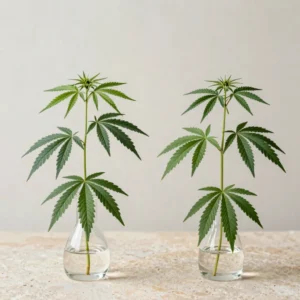
Hemp cigarettes are made from the dried flowers of the hemp plant, specifically cultivated for having low levels of THC (tetrahydrocannabinol) and high levels of CBD (cannabidiol). In contrast, tobacco cigarettes contain dried tobacco leaves, which are often treated with a variety of chemicals and additives designed to enhance flavor, shelf life, and nicotine delivery.
- Nicotine Content:
One of the most significant differences is that hemp cigarettes do not contain nicotine. Nicotine is the addictive substance found in tobacco cigarettes that contributes to the habit-forming nature of smoking. The absence of nicotine in hemp cigarettes makes them non-addictive, offering a potentially safer alternative for those looking to quit traditional cigarettes.
- Health Implications:
While inhaling any form of smoke can carry health risks, the harmful effects of tobacco cigarettes are well-documented, including increased risks of respiratory diseases, cardiovascular issues, and various forms of cancer. Hemp cigarettes, on the other hand, are often perceived as a healthier option. They contain CBD, which has been associated with various therapeutic benefits such as reducing anxiety and inflammation. However, it is important to note that long-term studies on the health impacts of smoking hemp are still limited.
- Legal Status:
The legal status of hemp cigarettes varies around the world. In many places, hemp production and consumption have been legalized due to its low THC levels. Conversely, tobacco cigarettes are legal but highly regulated due to their health risks. This distinction makes hemp cigarettes a legal, albeit novel, alternative in many regions where the use of traditional tobacco products is declining.
- Environmental Impact:
The cultivation and production of hemp are generally considered to have a lower environmental impact compared to tobacco. Hemp farming requires fewer pesticides and can be grown more sustainably. Additionally, hemp plants contribute to soil health and can be part of a crop rotation strategy that benefits agriculture overall.
Final Thougts
Ensuring the safety and freshness of cigarettes is essential for every smoker. By following the guidelines, you can make informed decisions about smoking habits and minimize potential health risks associated with expired cigarettes. From checking expiration dates and inspecting packaging to storing cigarettes in a cool, each step plays a crucial role in maintaining the quality of the smoking experience.
Remember, a little attention to detail goes a long way in preserving the safety and enjoyment of smoking.