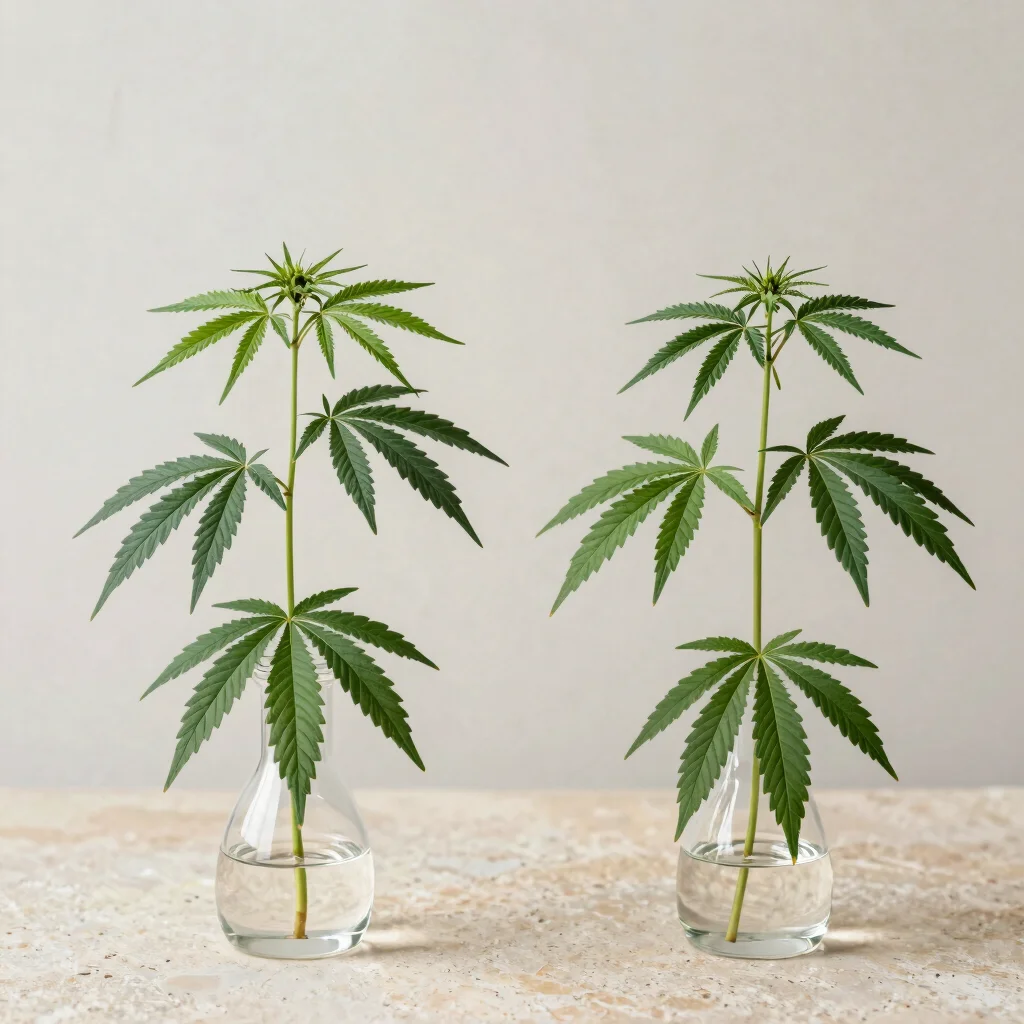
Growing cannabis is both an art and a science. For many growers, the vegetative stage is crucial for ensuring a strong, healthy plant that can eventually produce a bountiful harvest. However, there are times when you might want to revert a plant back to the vegetative stage after it has begun flowering. Whether you’re correcting a mistake, preparing for cloning, or simply wanting to extend the vegetative period for more growth, knowing how to revert a cannabis plant is essential. One effective method is cutting off the pistils. Let’s delve into the process.
Also Read: Purple City Genetics Moroccan Peaches
Understanding the Cannabis Life Cycle
The Vegetative Stage
The vegetative stage is when the cannabis plant focuses on growing leaves, stems, and roots. It’s the period where the plant develops its structure and strength.
The Flowering Stage
The flowering stage is when the plant starts to produce flowers or buds. This stage is triggered by changes in the light cycle, typically moving to 12 hours of light and 12 hours of darkness.
Signs of Entering the Flowering Stage
You’ll notice the plant stretching, and white pistils (the early signs of bud formation) will start to appear.
Reasons to Revert to Vegetative Stage
Correcting Mistakes
Sometimes, a plant may enter the flowering stage prematurely due to a mistake in light scheduling. Reverting it can correct this.
Cloning Purposes
Vegetative plants are better for cloning. Reverting allows you to take healthy clones.
Extending the Vegetative Period for More Growth
If you want a bigger plant, extending the vegetative stage can allow for more growth.
Key Considerations Before Reverting
Plant Health
Ensure your plant is healthy enough to handle the stress of reverting.
Timing
The earlier in the flowering stage you attempt this, the better.
Environmental Factors
Your grow environment must support vegetative growth.
Steps to Revert Cannabis Plants Back to Vegetative Stage
Adjusting Light Cycles
Importance of Light Schedules
Light schedules are critical in determining the plant’s growth stage.
Setting an 18/6 Light Schedule
To revert to the vegetative stage, set your lights to 18 hours on and 6 hours off.
Nutrient Adjustments
Switching to Vegetative Nutrients
Flowering nutrients differ from vegetative nutrients. Switch to a formula higher in nitrogen.
Importance of Nitrogen
Nitrogen supports leafy growth, essential for the vegetative stage.
Monitoring and Adjusting the Environment
Temperature and Humidity Control
Maintain temperatures between 70-85°F and humidity levels around 50-70%.
Importance of Air Circulation
Good air circulation helps prevent mold and strengthens plant structure.
Cutting Off Pistils: A Detailed Guide
Identifying Pistils
What are Pistils?
Pistils are the female reproductive parts of the flower, appearing as white hairs.
How to Locate Pistils on the Plant
They are typically found at the nodes where leaves and branches meet.
Tools Needed
- Sterilized scissors or pruners
- Gloves and disinfectant
Step-by-Step Guide to Cutting Off Pistils
Proper Technique for Cutting
Carefully snip the pistils close to the node without damaging surrounding tissue.
Ensuring Minimal Stress to the Plant
Make clean cuts and avoid excessive handling of the plant.
Post-cutting Care
Monitoring Plant Recovery
Watch for new vegetative growth and any signs of stress.
Adjusting Care Based on Plant Response
Provide extra nutrients and optimal conditions to support recovery.
Potential Challenges and Solutions
Stress and Shock to the Plant
Gradually revert lighting schedules and ensure proper care to minimize shock.
Slow or Stunted Growth
Ensure optimal nutrients and environmental conditions to encourage growth.
Identifying and Addressing Nutrient Deficiencies
Look for signs like yellowing leaves and adjust nutrients accordingly.
Monitoring Plant Recovery
Signs of Successful Reversion
New vegetative growth will appear at the nodes.
How Long It Takes for New Vegetative Growth
It can take a few days to a couple of weeks to see new growth.
Adjustments During Recovery Phase
Continue providing vegetative nutrients and monitor environmental conditions.
Case Studies and Success Stories
Examples of Successful Reversion
Experienced growers share their success stories, providing insights and tips.
Lessons Learned from Experienced Growers
Common pitfalls and how to avoid them.
Conclusion
Reverting a cannabis plant back to the vegetative stage by cutting off pistils is a delicate process but can be highly beneficial. By adjusting light cycles, nutrients, and carefully cutting pistils, you can successfully encourage your plant to re-enter the vegetative stage. With patience and proper care, your plant can thrive and produce a robust yield.
Also Read : What Color Light is the Least Harmful for Curing Weed?
FAQs
Can all cannabis strains be reverted to the vegetative stage?
Most strains can be reverted, but some may be more resistant than others.
How long does it take to see new vegetative growth after cutting pistils?
Typically, it takes a few days to a couple of weeks.
Is it necessary to cut pistils to revert to the vegetative stage?
While not always necessary, cutting pistils can help expedite the process.
What are the signs that my plant is stressed after cutting pistils?
Look for wilting, yellowing leaves, or slowed growth.
Can reverting to the vegetative stage affect the final yield?
Yes, it can impact yield, but with proper care, you can still achieve a substantial harvest.