Last updated: October 2026
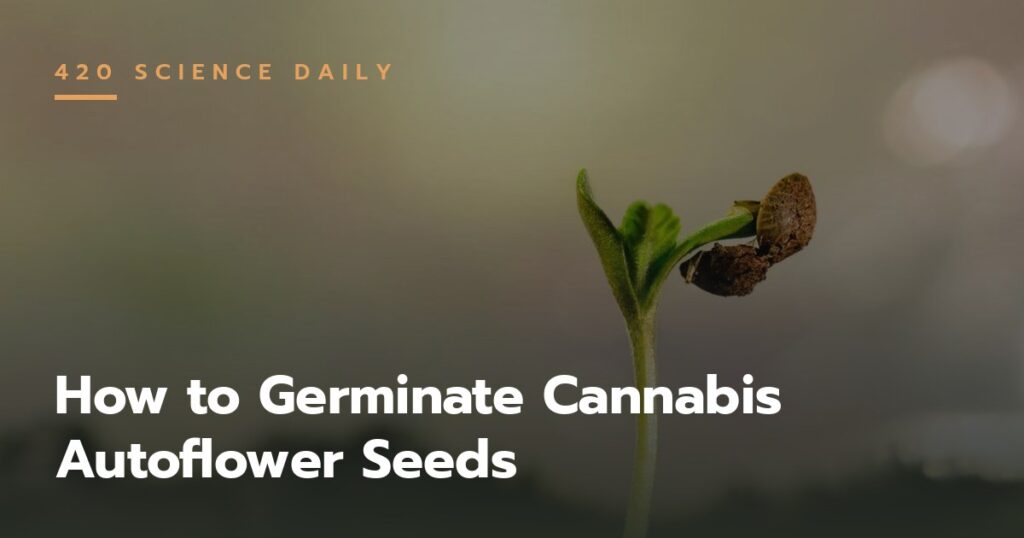
Germinating cannabis autoflower seeds is a crucial first step in cultivating healthy and productive plants. By understanding the ideal conditions and proper techniques, you can maximize your chances of successful germination. Whether you’re a beginner or an experienced grower, this guide will walk you through the best practices and methods to ensure your seeds thrive.
Understanding Cannabis Autoflower Seeds
Autoflower seeds are a popular choice for growers due to their ease of use and fast-growing nature. These seeds are genetically programmed to flower automatically after a certain period, regardless of light cycles. Unlike regular cannabis seeds that depend on specific light schedules, autoflowers transition to the flowering stage on their own.
Importance of Proper Germination
Proper germination is vital because it sets the foundation for the plant’s growth. A well-germinated seed has a higher chance of developing into a strong plant with better yield potential. Germination also affects the speed of growth, making it especially important for autoflowers, which have a limited growth window.
Preparing for Germination
Before you start, gather the necessary tools and materials:
- High-quality cannabis autoflower seeds
- Paper towels
- Clean water (preferably distilled)
- Containers with lids (for soaking or placing seeds)
- Growing medium (such as soil or rock wool)
Choosing the right environment is also very important. Autoflower seeds germinate best in a warm, humid setting with temperatures between 70-85°F (21-29°C). Make sure you have a controlled area where you can monitor and adjust these conditions as needed.
The Best Methods for Germinating Autoflower Seeds
There are several methods you can use to germinate cannabis autoflower seeds:
- Paper Towel Method: This is one of the most popular and reliable methods. It involves placing seeds between moist paper towels and allowing them to sprout.
- Soaking Method: Seeds are soaked in water for 12-24 hours, encouraging them to open up before planting.
- Direct Planting Method: Seeds are planted directly into the growing medium, allowing them to germinate in the environment they will grow in.
Each method has its advantages, and the best choice often depends on your growing setup and preference.
Step-by-Step Guide: Paper Towel Method
Materials Required:
- Paper towels
- Two plates or a container
- Water
Steps:
- Moisten a paper towel and place it on a plate.
- Put the seeds on the towel, leaving space between each one.
- Cover the seeds with another moist paper towel and another plate to create a dark, humid environment.
- Keep the setup in a warm place (70-85°F/21-29°C) and check daily to ensure the towels remain moist.
- Within 24-48 hours, the seeds should sprout, indicating they’re ready for planting.
Troubleshooting: If seeds aren’t sprouting, ensure the environment isn’t too cold or dry. Adjusting the moisture level and temperature can often revive dormant seeds.
Step-by-Step Guide: Soaking Method
Materials Required:
- A container or glass
- Water
Steps:
- Fill the container with room-temperature water.
- Place the seeds in the water for 12-24 hours.
- Check for seeds that have sunk, as they are more likely to be viable.
- Once you notice the seeds splitting or a taproot emerging, transfer them to a growing medium.
This method is simple but requires attention to prevent drowning the seeds. It’s effective for checking seed viability quickly.
Ideal Conditions for Germination
Temperature and humidity are critical for germinating cannabis seeds. Aim for a temperature range of 70-85°F (21-29°C) and maintain humidity levels between 70-90%. Additionally, ensure the seeds are kept in a dark environment, as light exposure can hinder germination.
Common Mistakes During Germination
Avoid these mistakes to increase your chances of success:
- Overwatering: Too much water can suffocate the seeds.
- Incorrect Temperature: Seeds need consistent warmth to sprout.
- Using Poor Quality Seeds: Ensure you source seeds from reputable suppliers.
How to Recognize Healthy Seedlings
Healthy seedlings typically exhibit vibrant green leaves and upright growth. If the seedlings appear pale or weak, it may indicate a lack of nutrients or improper environmental conditions.
After germination: the #1 seedling killer
Most seedlings don’t die from bad germination — they die in the first two weeks from too much light or heat. If your sprout’s first true leaves start folding upward like tacos, your light is too close. Seedlings want gentle light: keep LEDs high and dimmed, and only lower them as the plant establishes. Full diagnosis here: cannabis leaves tacoing — causes and fixes.
Coming soon: autoflower vs photoperiod yield comparison.
Best Practices for Transplanting Germinated Seeds
Transplanting is a delicate process. Do it when the taproot reaches around half an inch in length. Gently place the seedling in the growing medium, ensuring the taproot faces downward. Be mindful of avoiding transplant shock by keeping the environment stable.
Maintaining a Controlled Environment for Seedlings
To foster healthy growth, maintain consistent light cycles and adjust temperature and humidity as needed. Autoflowers benefit from an 18-20 hour light cycle during the seedling stage.
Organic vs. Synthetic Nutrients for Seedlings
Both organic and synthetic nutrients can be effective. Organic options promote soil health, while synthetic nutrients offer immediate results. Choose based on your cultivation goals and personal preference.
Troubleshooting Germination Problems
If seeds fail to germinate, check for environmental issues like improper temperature or light exposure. Adjusting these factors or using alternative methods like soaking can help revive seeds.
Frequently Asked Questions
How long does it take for cannabis autoflower seeds to germinate?
Typically, it takes 24-48 hours, but it can vary based on environmental conditions.
Can I germinate seeds without light?
Yes, keeping seeds in a dark environment is often best for germination.
What’s the ideal temperature for germination?
The ideal range is 70-85°F (21-29°C).
Should I use bottled or tap water for soaking?
Distilled or purified water is recommended to avoid contaminants.
How deep should I plant the seeds?
Plant seeds about 0.5-1 inch deep for best results.
How can I tell if my seeds are viable?
Healthy seeds are typically firm, dark, and have a smooth outer shell.
Should I soak cannabis seeds before germination?
Yes, soaking cannabis seeds before germination can help kickstart the process. By soaking them in room-temperature water for 12-24 hours, you soften the seed shell and allow water to penetrate, which can activate germination. Once you see the seeds start to split open or sink, they are ready for the next step, such as transferring them to a paper towel or planting them directly.
How do you germinate old autoflower seeds?
To germinate old autoflower seeds, follow these steps to increase your success rate:
Soak the seeds in water with a small amount of hydrogen peroxide (3%) for 12-24 hours to help soften the shell and disinfect it.
Transfer the seeds to the paper towel method, ensuring the environment is warm and humid.
Be patient, as older seeds may take longer to sprout.
Consider gently scarifying (scratching) the surface of the seed with sandpaper or a nail file to help moisture penetrate the shell.
Are autoflowers harder to germinate?
No, autoflowers are not necessarily harder to germinate compared to regular or feminized seeds. The germination process is quite similar. However, because autoflowers have a shorter life cycle and don’t respond to light cycles for flowering, it’s crucial to provide optimal conditions right from the start to maximize growth potential.
How to force seeds to germinate?
If seeds are slow to germinate, you can try the following methods to force germination:
Scarification: Lightly scratch the outer shell of the seed with sandpaper or a nail file to allow water to penetrate more easily.
Warm Environment: Ensure the temperature is consistently between 70-85°F (21-29°C).
Hydrogen Peroxide Soak: Soak the seeds in a water and hydrogen peroxide solution (3%) for 12-24 hours. This can soften the shell and promote sprouting.
Humidity Dome: Create a controlled, humid environment using a dome or clear container to trap moisture and warmth.
Do autoflower seeds need darkness to germinate?
Yes, autoflower seeds generally need darkness to germinate effectively. Keeping them in a dark, warm, and humid environment mimics their natural conditions and promotes faster sprouting. Use the paper towel method or place seeds in a dark container until the taproot emerges, which typically takes 24-48 hours.